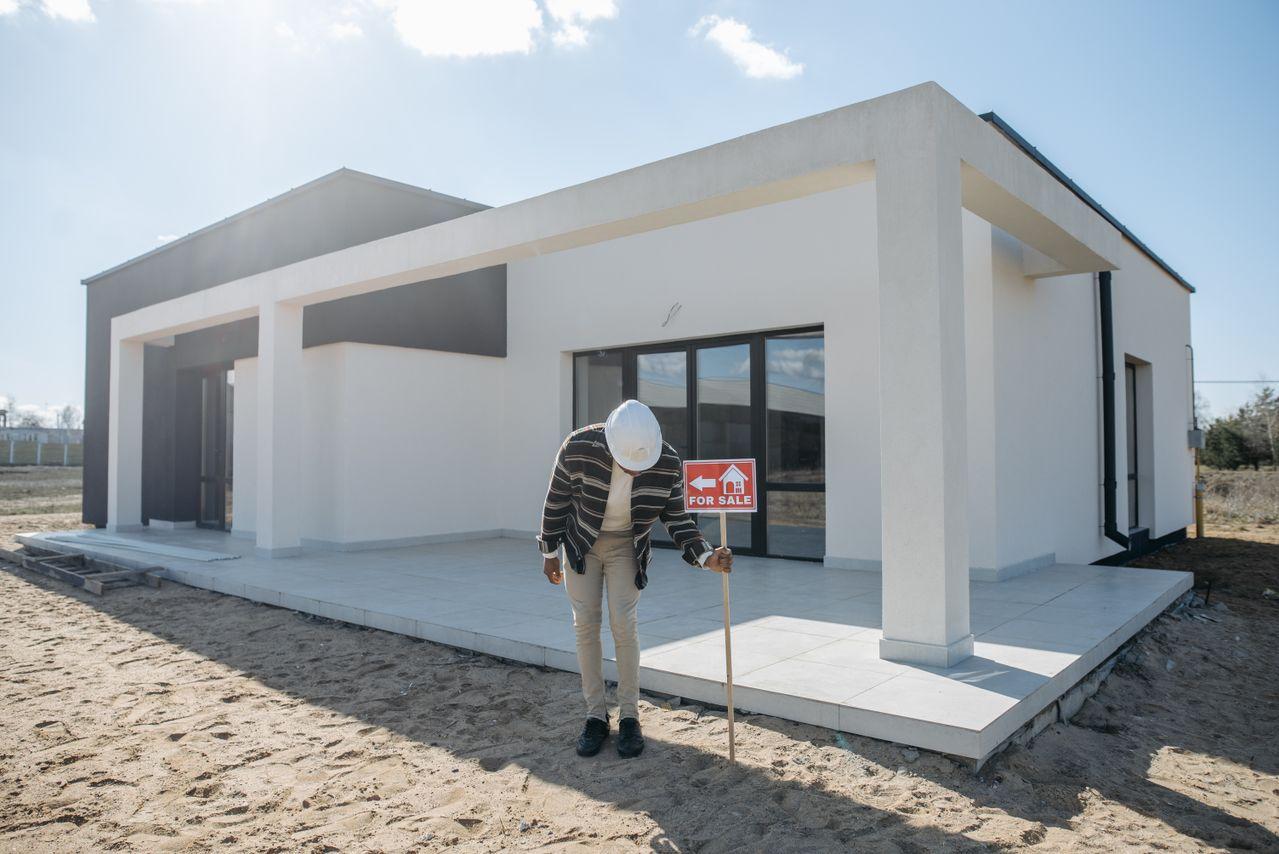
Build-to-rent (BTR) has emerged as one of the fastest-growing segments in residential real estate. These purpose-built rental communities offer investors exposure to professionally managed single-family homes without the headaches of direct property ownership. For investors seeking professionally managed residential rental properties, fractional real estate investing provides another route, although individual single-family rental investments differ from purpose-built BTR communities.
Disclaimer: The information provided in this guide is for educational purposes only and does not constitute financial, tax, or legal advice. Always consult with a licensed professional before making any financial or investment decisions.
Key Takeaways
Build-to-rent communities are purpose-built neighborhoods of 50-350+ single-family homes designed exclusively for long-term rental, delivering 92.6% national occupancy as of Q2 2026
The global BTR market was valued at $210.4 billion in 2025 and is projected to reach $523.7 billion by 2034, representing a reported 10.3% compound annual growth rate for 2026-2034
CBRE's 2024 report estimated BTR represented only 1.5% of roughly 23 million U.S. single-family rental units, based partly on earlier housing-stock data, signaling potential expansion runway
Fractional ownership platforms now enable retail investors to access professionally managed single-family rental properties that historically required 50,000-250,000 minimums
The 21st Century ROAD to Housing Act, enacted July 11, 2026, restricts certain institutional purchases beginning January 7, 2027, with exceptions for qualifying newly constructed BTR properties
Understanding Build-to-Rent: A New Paradigm in Residential Real Estate
What Defines a Build-to-Rent Community
Build-to-rent refers to residential communities where single-family homes, townhomes, or horizontal apartments are constructed specifically for rental rather than sale. Unlike scattered single-family rentals owned by individual landlords, BTR communities feature:
Centralized professional management with on-site leasing offices and maintenance teams
Standardized floor plans (typically 1,400-2,800 square feet with 3-4 bedrooms) that reduce construction costs
Integrated amenities including pools, fitness centers, dog parks, and coworking spaces
Contiguous development enabling operational efficiencies impossible with scattered portfolios
Estimated BTR home starts increased 16% year-over-year in 2024. As of August 2026, approximately 59,660 BTR homes were under construction nationally. This growth reflects a fundamental shift in how Americans view housing, not as a stepping stone to ownership, but as a lifestyle choice offering flexibility without sacrificing space.
How BTR Differs from Traditional Single-Family Rentals
Traditional single-family rental investments involve purchasing existing homes and renting them individually. BTR communities differ in several key ways:
Institutional infrastructure from day one with professional property management
New construction potentially reducing near-term capital expenditure requirements
Community-scale economies reducing per-unit operating costs through centralized services
Predictable cash flows enabling institutional-grade financing and valuations
These structural advantages can translate to operational benefits, though actual performance varies by market, property age, and local supply conditions.
The Appeal of Build-to-Rent Homes for Real Estate Investors
Financial Performance Characteristics
BTR communities can offer operational advantages through centralized management and new construction. The National Apartment Association reported average BTR rents of $2,252 with 0.8% year-over-year growth as of Q2 2026. Rent premiums relative to apartments vary based on property size, location, and amenities.
The operational characteristics that can benefit BTR include:
National occupancy at 92.6% as of Q2 2026
Lower turnover in well-managed communities reducing lease-up costs
New construction condition minimizing near-term capital expenditures
Professional management providing consistent operations
Ground-up BTR development can target 15-18% IRRs as illustrative developer goals over 4-5 year holds, though actual returns depend on construction costs, lease-up success, financing terms, and exit market conditions.
Tax Advantages and Wealth Building
Understanding why real estate serves as a wealth-building vehicle requires examining the tax benefits BTR and similar real estate investments can provide. Investors in rental properties through fractional structures may receive:
Depreciation deductions that can offset rental income for tax purposes, subject to individual tax circumstances
Pass-through income treatment via K-1 tax forms for partnership-taxed structures
Partnership basis allowing potential loss deductions within applicable limitations
Qualified business income deductions where structure and circumstances permit
These tax characteristics depend heavily on the specific investment structure, individual tax situation, and applicable IRS limitations including basis, at-risk rules, and passive activity loss restrictions.
How to Invest in Build-to-Rent: Traditional vs. Fractional Approaches
Direct Ownership Barriers
Direct BTR investment historically required substantial capital and expertise. Ground-up development demands significant equity for 100-250 unit communities. Even acquiring a stabilized BTR community requires:
Minimum investments typically 50,000-250,000 in private syndications
Accredited investor status for most institutional-quality offerings
Development expertise to evaluate entitlement, construction, and lease-up risk
Geographic knowledge of micro-market fundamentals
For most investors, these barriers made BTR exposure accessible only through public REITs, which provide liquidity but structure returns differently than direct ownership.
Fractional Ownership as an Access Point
Fractional platforms have fundamentally changed accessibility to professionally managed residential real estate. Through securities structures like Regulation Crowdfunding (Reg CF), Regulation A+, and Regulation D, these platforms aggregate smaller investments into property acquisitions.
The fractional approach offers several characteristics:
Lower minimums enabling diversification across multiple properties
Professional underwriting eliminating the need for individual deal sourcing
Managed operations handling tenant coordination and maintenance
LLC structures providing ownership interests in specific properties
Platforms specializing in residential real estate now enable investors to build portfolios of income-producing properties with long-term rental investments characteristics similar to what institutional players target.
Evaluating Build-to-Rent Investment Opportunities
Key Metrics That Matter
Assessing BTR opportunities requires understanding institutional-grade metrics. The investment property calculator approach institutional investors use examines:
Net Operating Income (NOI) after all operating expenses
Cap rate indicating the unlevered yield on property value
Cash-on-cash return measuring actual cash distributions relative to equity invested
Internal Rate of Return (IRR) capturing total returns including appreciation and exit proceeds
BTR valuations reflect institutional confidence in income stability and growth potential. Cap rates vary by market, property quality, and prevailing financing conditions.
Geographic Considerations
BTR development concentrates in Sun Belt markets with approximately 80% of the pipeline located in the South and West as of August 2026. Leading metros include:
Phoenix with a significant pipeline representing roughly 10% of BTR units under construction nationally
Dallas with 3,943 units under development
Atlanta with 3,348 units under development
Houston and Charlotte with 2,692 and 2,703 units in the pipeline, respectively
These markets share common characteristics: population inflows, employment growth, favorable regulations, and affordable land relative to coastal alternatives. Regional performance varies based on local supply-demand dynamics and economic conditions.
Comparing Build-to-Rent with Residential REITs
Structural Differences That Impact Returns
Public single-family rental REITs provide instant liquidity but structure returns differently than direct ownership. Key differences include:
Direct BTR/Fractional Ownership characteristics:
Partnership-taxed structures may allocate depreciation and other tax items through Schedule K-1, subject to individual circumstances and IRS limitations
Governance rights proportional to ownership stake
Asset-level selection rather than blind pool exposure
Illiquidity during hold period, typically several years
Public REIT characteristics:
Daily liquidity but no control over individual assets
Dividends may include ordinary income, capital gain distributions, and return of capital, with potential Section 199A treatment
Fund-level diversification across hundreds of properties
Exposure to stock market volatility that may not reflect property fundamentals
For investors seeking the four key benefits of real estate, cash flow, potential appreciation, tax characteristics, and leverage, direct fractional ownership preserves certain structural attributes that REIT investments provide differently.
Valuation and Exit Considerations
BTR trades at valuations that reflect institutional buyer appetite for professionally managed rental communities. Exit valuations depend on rental income growth, operating performance, prevailing cap rates, and institutional demand at the time of sale.
The 21st Century ROAD to Housing Act, enacted July 11, 2026, restricts certain additional single-family home purchases by large institutional investors beginning January 7, 2027. Qualifying newly constructed BTR properties are included among the statutory exceptions. The legislation may affect institutional acquisition strategies, but its impact on BTR demand and exit valuations remains uncertain.
Mitigating Risks in Build-to-Rent Investments
Understanding the Risk Landscape
BTR investments carry specific risks that differ from traditional real estate:
Construction cost inflation affecting development feasibility and returns
Interest rate sensitivity affecting both development economics and exit valuations
Market saturation risk in metros with aggressive development pipelines
Property tax reassessment on new construction can materially affect NOI and property valuations if underestimated
Insurance cost increases particularly in Sun Belt regions with weather exposure
Due Diligence Framework
Evaluating BTR opportunities requires examining:
Sponsor track record in similar markets and property types
Competitive supply analysis of units delivering within the relevant market area
Exit cap rate sensitivity modeling various exit scenarios
Construction budget contingencies appropriate to the development stage
Post-completion tax projections from applicable assessment authorities
Platforms with rigorous selection processes, passing less than 1% of properties reviewed, provide a layer of institutional-grade due diligence that can be difficult for individual investors to replicate independently.
The Future of Build-to-Rent: Market Outlook Through 2030
Demographic Tailwinds
The structural forces driving rental demand show no signs of abating. In a 2025 industry survey, 64% of responding experts identified Millennials as drivers of BTR demand, while 49% identified Gen Z as key demographics. High-income renters ($75,000+) comprise a significant portion of the rental market, sustaining demand for quality rental housing.
The homeownership affordability environment reinforces these trends:
Median existing home prices reached $417,500 as of September 2026
30-year mortgage rates stood at 7.40% in mid-October 2026
House price-to-income ratios remain elevated versus historical norms
National housing supply constraints persist
Long-Term Investment Thesis
BTR remains in early-stage growth with single-digit penetration of single-family construction. Industry observers suggest BTR could expand its share of single-family construction as institutional capital seeks yield in housing markets, though actual growth will depend on construction economics, rental demand, and regulatory factors.
For fractional investors, current market conditions create opportunities to enter professionally managed residential real estate before potential broader adoption.
How mogul Provides Professionally Managed Single-Family Rental Exposure
mogul was founded by Goldman Sachs real estate alumni with over $10 billion in collective deal experience. This institutional background informs an approach to residential real estate investing that emphasizes rigorous underwriting, professional property management, and alignment with investor interests.
What sets mogul apart:
Institutional-grade selection means less than 1% of properties reviewed pass mogul's diligence process. Research analysts use proprietary underwriting models developed from institutional real estate experience to identify properties with favorable return potential.
Direct ownership structure places each property into a state-registered LLC, providing investors with membership interests in that property-owning LLC. This structure preserves certain tax characteristics that fund-based investments may not offer.
Aligned incentives ensure mogul personally invests in every property on the platform. When investors succeed, mogul succeeds, creating accountability through shared investment outcomes.
Risk mitigation features include up to $10,000 in protection for qualifying losses on eligible investments made during a new member's first seven days, with losses assessed after one year and subject to promotion terms. This coverage addresses principal loss concerns during initial portfolio building.
Monthly income distributions come from actual rental payments. Investors receive their proportional share of available net rental income once properties are operational. Partnership-taxed property LLCs may also allocate depreciation and other tax items through Schedule K-1, subject to individual tax circumstances. Property sales typically occur after 3-10 year hold periods.
For investors seeking exposure to professionally managed residential properties, mogul offers access to how it works with property-specific ownership through fractional investment structures.
Disclaimer: The information provided in this guide is for educational purposes only and does not constitute financial, tax, or legal advice. Always consult with a licensed professional before making any financial or investment decisions.
Frequently Asked Questions
How long should investors expect their capital to be locked in BTR-style fractional investments?
Holding periods vary by offering and platform. For mogul, investors should generally anticipate 3-10 year hold periods, reflecting the time required for properties to stabilize, appreciate, and reach optimal exit valuations. Unlike public REITs with daily liquidity, fractional ownership involves illiquidity during the hold period. Some platforms are developing secondary markets for share trading, but investors should assume capital will be committed for the full projected hold period when making allocation decisions.
What happens if a property underperforms its projections?
Property underperformance can result from lease-up delays, market conditions, unexpected expenses, or broader economic factors. Fractional investors bear proportional risk for operating losses and potential capital losses. Investment platforms may mitigate this through conservative underwriting, reserve funds for unexpected expenses, and diversification recommendations across multiple properties. Investors should evaluate platform track records, review how sponsors approached past challenges, and consider platforms offering protection features for new investors.
Are fractional real estate investments suitable for retirement accounts like IRAs?
Investment eligibility depends on the specific platform and retirement account structure. Many fractional real estate platforms accept self-directed IRA investments, enabling tax-advantaged retirement savings to access real estate. This requires establishing a self-directed IRA with a custodian that permits alternative investments. Investors should consult tax professionals regarding unrelated business taxable income (UBIT) implications when real estate held in retirement accounts uses debt financing, as leveraged property income may trigger additional tax obligations.
How do property management fees work in fractional investments?
Fee structures vary by platform and offering. mogul charges a one-time platform fee of up to 5% of the property purchase price, capitalized into the investment. mogul does not charge a traditional recurring annual asset management fee on invested equity, although property-level operating expenses including property management, maintenance, insurance, and taxes remain relevant to net returns. Investors should review all fee disclosures when comparing platforms, as headline returns may not reflect net returns after all costs.
What documentation do fractional investors receive for tax purposes?
Fractional real estate investors in partnership-taxed LLC structures typically receive Schedule K-1 forms reporting their share of partnership income, losses, and deductions including depreciation. K-1s usually arrive in late winter or early spring for the prior tax year. Depreciation and other deductions may be subject to IRS limitations including basis requirements, at-risk rules, passive activity loss restrictions, and excess business loss limits. Investors should work with tax professionals familiar with real estate partnership taxation to understand how these items apply to their individual circumstances.